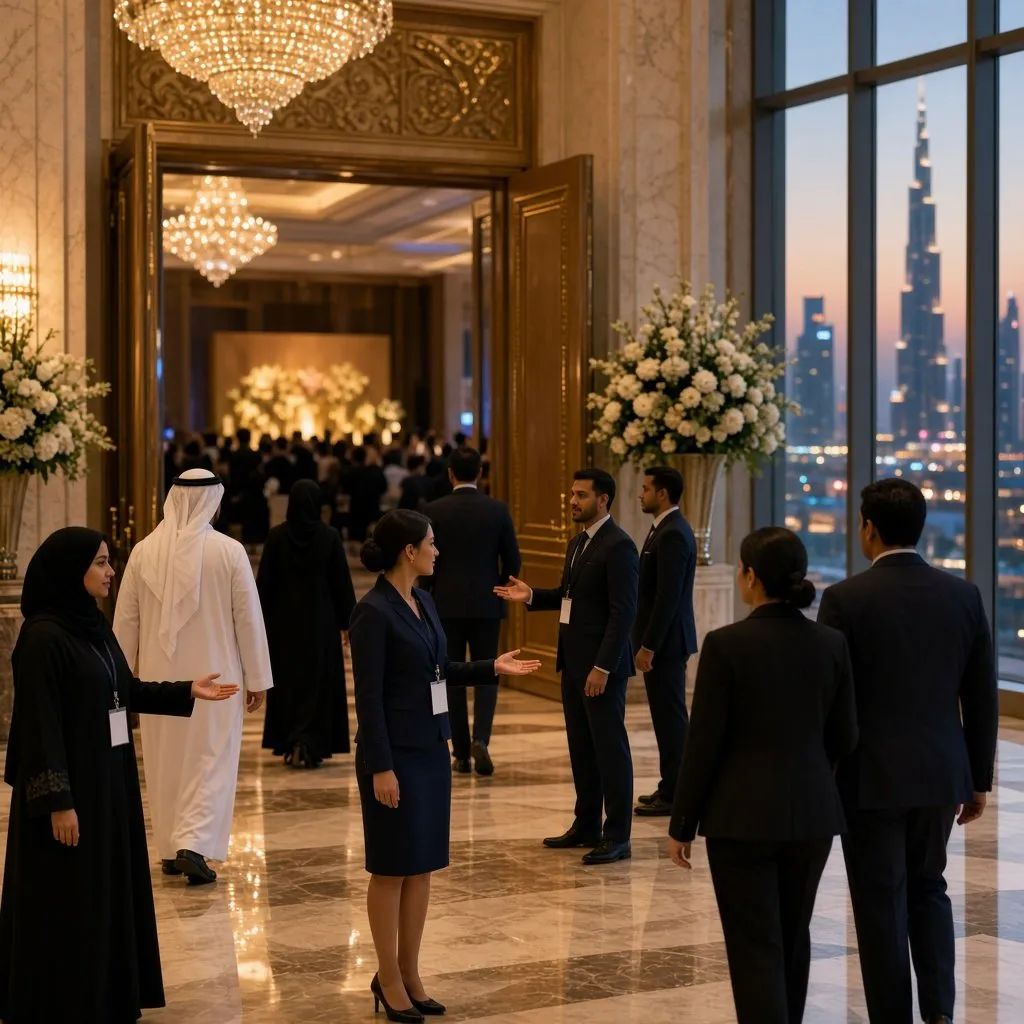
Hosting a VIP gathering involves expectations that differ from those of a standard public event. Guests may require coordinated arrivals, discreet assistance, carefully managed access and a comfortable experience throughout the programme. Whether the occasion is an executive reception, awards ceremony or exclusive product launch, the quality of staff interaction can influence how the event is remembered. Professional Event Staff Hire Abu Dhabi arrangements can help organisers match personnel with these responsibilities. The planning process should begin with a clear understanding of guest needs, venue requirements and the appropriate standard of hospitality.
Understand the Purpose of the Gathering
A VIP event is not defined only by expensive decorations or an exclusive venue. Its success depends on the experience organisers intend to provide.
An executive dinner may prioritise privacy and conversation, while an awards ceremony requires timely arrivals and coordinated seating. Identifying the event’s purpose helps determine what supporting staff should do. Organisers can then plan personnel requirements instead of selecting roles based solely on previous events.
Guest Information Should Be Managed Carefully
High-profile gatherings may involve confidential attendee lists, special access arrangements and information about personal preferences. Staff need sufficient details to perform their duties without receiving unnecessary sensitive information.
Guest records should be shared through appropriate channels and accessed only by authorised personnel. Organisers should establish procedures for handling unexpected visitors and last-minute changes. Protecting privacy is part of professional hospitality, particularly when attendees include executives or public figures.
Arrival Experiences Need Detailed Planning
VIP arrivals may involve several vehicles, different entrance points or guests travelling according to tightly scheduled programmes. Confusion at this stage can affect the entire experience.
Transport coordinators, entrance personnel and hospitality teams should understand the agreed arrival procedure. Clear communication helps ensure that guests are directed appropriately without repeated questions. Any special arrangements involving vehicle access or traffic control must comply with venue rules and applicable requirements.
Discretion Matters More Than Attention
Professional VIP service should feel attentive without becoming intrusive. Some guests appreciate conversation, while others prefer minimal interaction.
Staff briefings should explain expectations for communication, confidentiality and professional behaviour. Personnel need to know how to identify requests they can handle independently and when to involve a supervisor. Avoiding unnecessary attention can be particularly important at private business gatherings.
Matching Staff Roles to Guest Requirements
VIP events often need several types of personnel. Their responsibilities should be defined according to the venue and the event programme.
A suitable staffing plan may include:
- Reception hosts managing guest arrivals.
- Registration personnel checking invitations.
- Ushers guiding attendees to assigned areas.
- VIP assistants supporting approved hospitality requests.
- Transport coordinators managing scheduled movements.
- Supervisors resolving operational questions.
Not every event needs all these positions. The appropriate team depends on guest numbers, venue layout and the level of assistance required.
Preparing Staff for Cultural Expectations
Abu Dhabi hosts events attended by visitors from many different countries and cultural backgrounds. Hospitality teams should communicate respectfully and understand the expectations established by the organiser.
Language requirements should be discussed during recruitment or staff selection. Where multilingual assistance is necessary, actual language ability should be confirmed. Briefings can also cover appropriate greetings, dress requirements and procedures for responding to unfamiliar requests.
Build Flexibility Into the Schedule
VIP programmes may change when a speaker arrives late, a guest requests a different seating arrangement or an executive meeting runs longer than expected.
Teams should have a clear process for communicating approved changes without creating unnecessary disruption. A designated supervisor can coordinate adjustments and help maintain consistent instructions across the venue. Flexibility is valuable, but changes involving security or access restrictions must follow authorised procedures.
Why Staff Presentation Matters
Guest-facing personnel contribute to the visual and professional atmosphere of an event. Their dress, posture and communication should align with the organiser’s expectations.
However, appearance alone does not establish competence. Staff members also need suitable training, practical information and an understanding of their responsibilities. A polished uniform cannot compensate for unclear instructions or unfamiliarity with the venue.
Closing the Event Gracefully
The final minutes of a gathering deserve as much attention as the arrival process. Guests may require assistance locating transport, collecting belongings or leaving through designated exits.
Organisers should brief staff on departure arrangements and relevant contact points. Teams must also understand how to manage guests remaining after the programme. A smooth departure helps preserve the quality of the experience rather than ending the occasion with confusion.
Conclusion
High-profile gatherings require careful coordination, professional discretion and clear service standards. Guest arrivals, privacy, staffing roles and departure arrangements should be planned as parts of one complete hospitality experience. The Crew Lab provides event hosts, guest assistants, VIP support personnel and other staffing services in Abu Dhabi and across the UAE. By matching staff responsibilities with the event’s purpose and maintaining reliable supervision, organisers can create an attentive atmosphere that respects guest preferences without unnecessary complexity.